
Specialties
Endodontics

Inside the tooth, under the enamel (the visible part of the tooth) and dentin, there is a soft tissue called pulp. The pulp contains blood vessels, nerves and connective tissue that nourish the tooth during its formation.
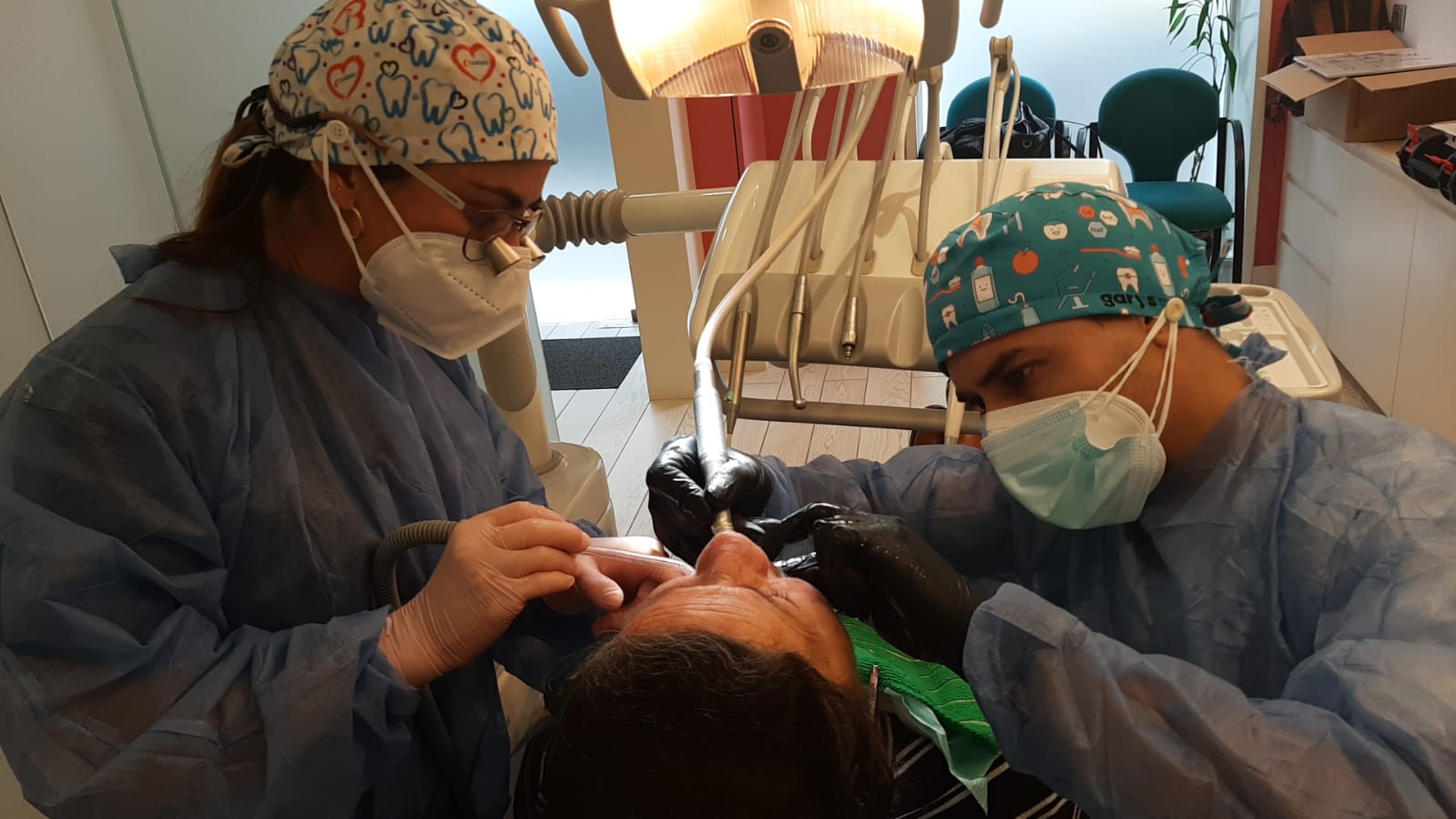
The alteration of tooth pulp health can be due to different causes, such as deep caries lesions or dental trauma.
Endodontic treatments are procedures that treat the inside of the tooth or seek to preserve its health and integrity, with the aim of maintaining the natural dentition, the bone and gum that surround it, as well as its functionality.
Endodontics deals with preventing dental infections, their healing and regenerating the lost bone around the tooth as a consequence of dental pathology like no other oral dental specialty. Endodontics is based on scientific evidence with the objective of saving the tooth and maintaining the tissues that surround it, whether gum or bone.
What are the signs that indicate the need for endodontic treatment?
- Sensitivity to cold or heat
- Pain when chewing
- Swelling
- Discoloration of teeth
- Constant pain, which may extend to the face, ear, opposite jaw or other teeth.
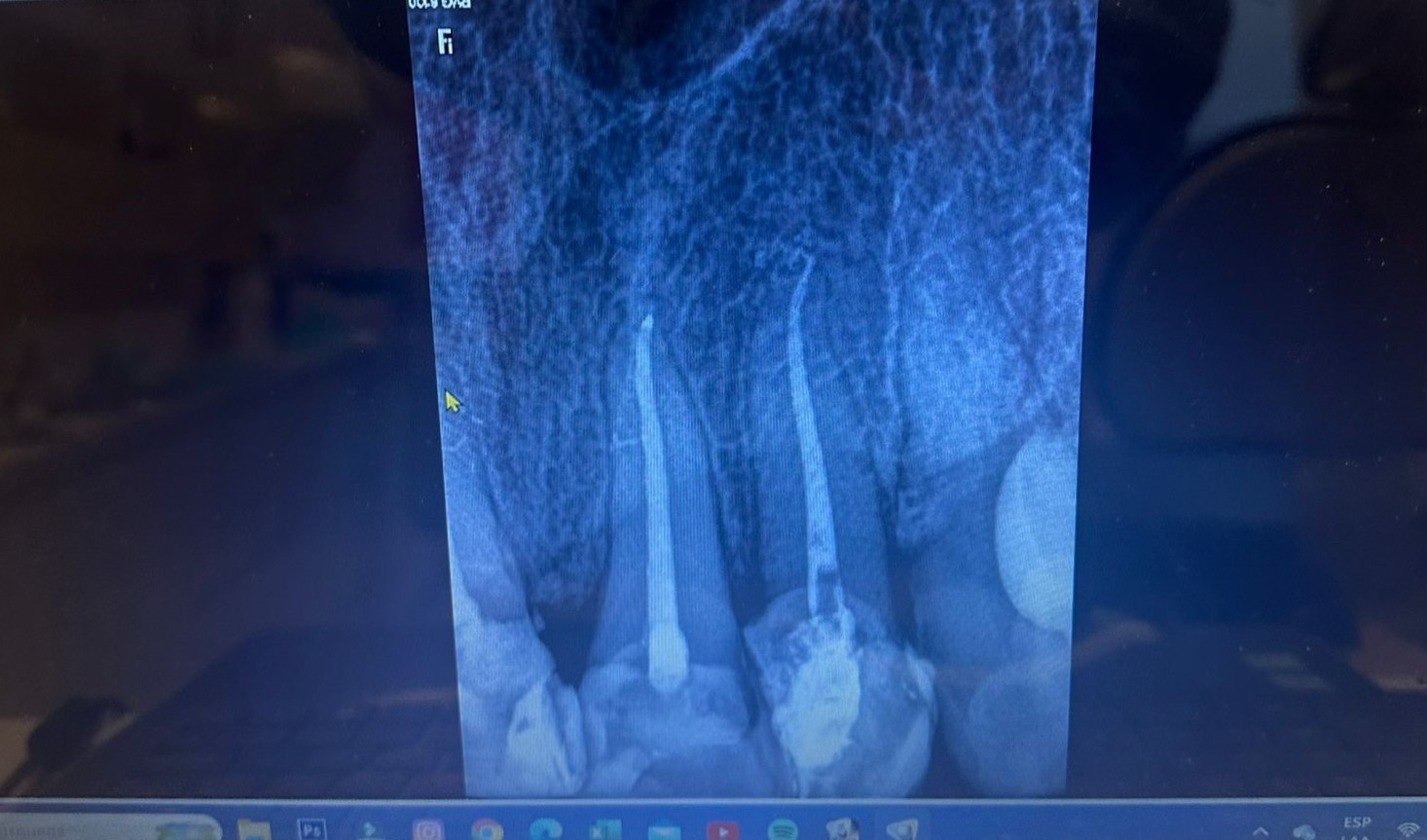
Sometimes, even in the absence of pain, there may be an infection of the root canals that we determine through routine X-rays and clinical exams. In that case, we indicate the need for endodontic treatment.
Is root canal treatment a painful and unpleasant procedure?
Many patients have unpleasant experiences with endodontic treatment and, based on those experiences, prefer to extract the tooth rather than save it. With modern technology, the treatment is painless and the discomfort associated with endodontic treatment is minimized, which encourages patients to opt for endodontic treatment and preserve the tooth in the mouth.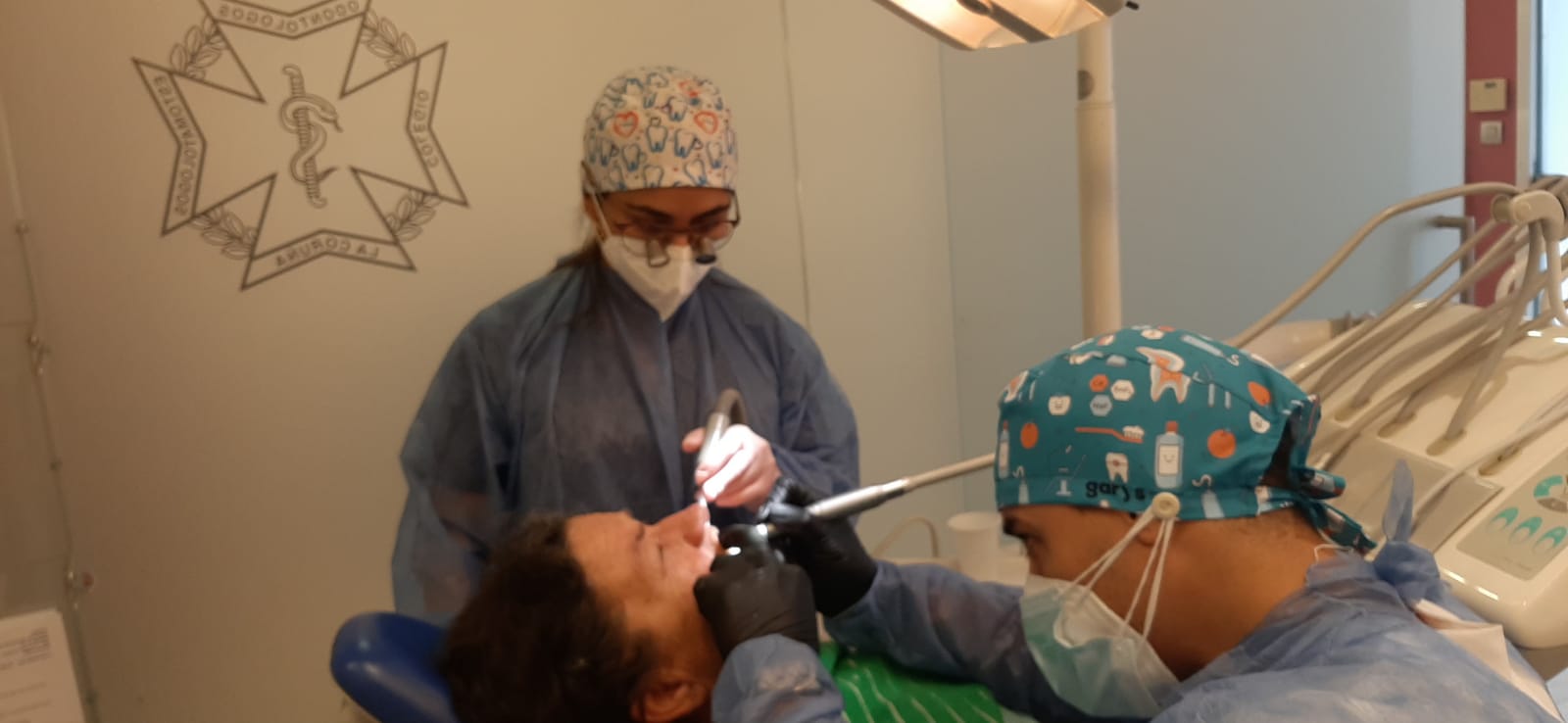
How many sessions are necessary to perform endodontic treatment?
Generally, according to some standards, root canal treatment is completed in three visits. But it is still a
matter of biological tissue, which may react differently in different patients. In some cases, additional
visits may be necessary.
We are proud to have a complete, state-of-the-art team with which we can perform a
complete mechanical root treatment even in a single visit. This is justified in certain carefully
selected cases.
What is mechanical endodontics?
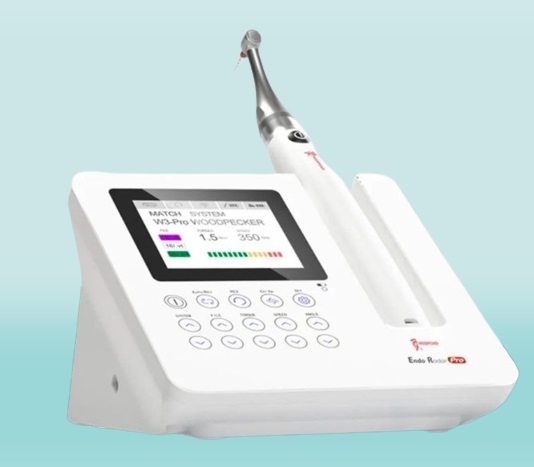
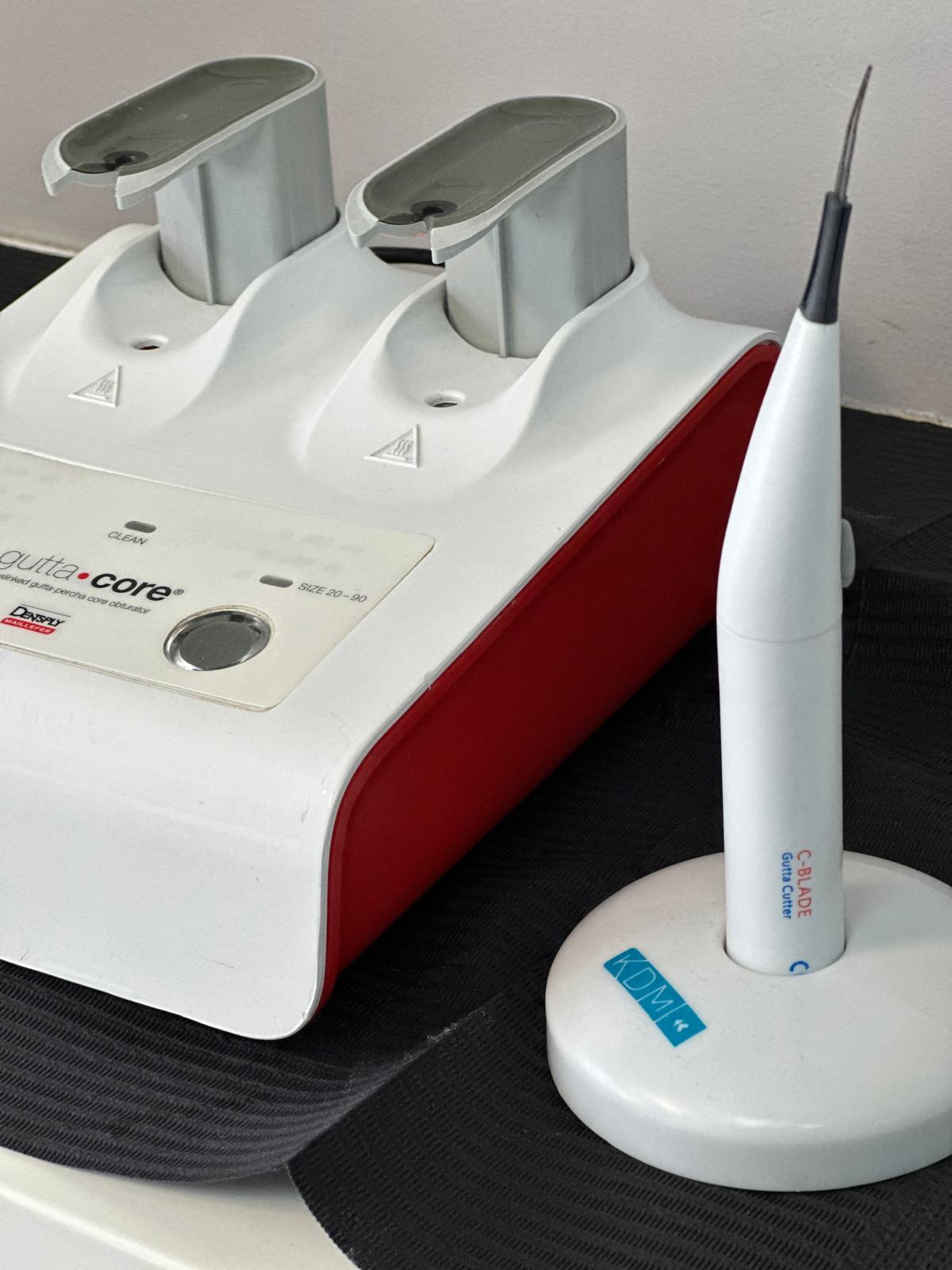
This method of root canal treatment is a faster, more precise, thorough and detailed method.
It is performed with special devices that are
guided and controlled by the dentist.
These devices use very flexible and at the same time very powerful root canal treatment tools that allow
reaching certain parts of the canals that are very difficult or impossible to access with manual treatment.
In this method, large masses of
infected tissue from the canal are more reliably removed and the infection that was the cause of the initial problem is better controlled.
The doctors at Dental Baigorria
use magnifying glasses to enlarge the working field in order to have greater visibility and precision of what they are doing.
Additionally, in this method,
very intensive agents are used, which chemically contribute to destroying the causal agent and sterilizing the canals.
To protect the patient from all
undesired moments during therapy, we use a Cofferdam system that does not allow any mechanical or chemical element to come into contact with the
patient's living tissues.
How to know if the tooth was treated correctly?
During the procedure and after completing each step of it, X-rays are taken to verify and confirm the result obtained.X-ray is the fastest and most reliable method to verify success.
Treat a tooth with mechanical endodontics or extract that tooth?
Preserving the natural tooth, whenever possible, is the best option, as nothing can completely replace it. Teeth are stronger and function more naturally.By preserving natural teeth, the natural structure of the mouth and jaw is preserved, which also affects normal chewing function and speech.
One of the benefits of natural teeth is the preservation of aesthetics, facial appearance and natural smile.
Although at this moment it may seem that root canal treatment is a slow procedure, in the long run it proves to be more cost-effective and also less invasive compared to tooth extraction.
If the tooth is extracted, to maintain normal aesthetics and function, the empty space must be supplemented with a prosthesis or implant.
What is the best way to further protect an endodontically treated tooth?
In addition to good endodontic treatment, for a good long-term prognosis and greater success, proper restoration is also very important.When a tooth has lost a large part of its dental structure, it loses its strength. There are two ways to replace lost dental structure after endodontic treatment, with a filling or with a crown.
In general, with greater loss of dental structure, a crown is considered a better option, as it is stronger and lasts longer than a large filling.
Why is a root restoration more frequently recommended in treated canals?
Very often, when cleaning the carious lesion in an endodontically treated tooth, a large amount of dental substance is lost, so it is necessary to place a root restoration. A fiberglass post is placed in the already cleaned and filled canals.Its function is to ensure the resistance of the endodontically treated tooth, that is, to serve as its pillar and ensure that the remaining coronal structure is firmly connected to the root part.
Most often, a crown is placed on these teeth.
What is root canal sterilization by laser?
This is an additional tool in the root canal treatment procedure.That is, if we understand the procedure as a 5-step procedure: removal of infected tissue, mechanical cleaning of the canals, chemical rinse and medicinal treatment, laser sterilization is presented in the form of a crown at the end, which with the help of the laser beam inside the canal, completely sterilizes and permanently seals any small canal in the tooth root that could cause later problems.
With its permanent sealing, we reduce the degree of future complications of that tooth by 50%.
The advantages provided by modern mechanical endodontics contribute to most teeth being cured and remaining in use for many years in the patient's mouth, instead of having to be extracted. Comfortable and non-traumatic treatment allows the patient to tolerate the treatment much more easily and for the results to be much more guaranteed and lasting.
Nowadays, in routine panoramic X-rays, poorly healed root canals are very frequently observed that in the past were treated according to the classical method: manual root canal treatment. Considering that at that time materials and techniques were available for manual root canal treatment, a good part of the canals remained untreated and unprocessed.
Thanks to modern technology, we can now offer a new treatment or re-treatment of these canals.
If you think you need endodontic treatment or retreatment, do not hesitate to contact us and schedule an appointment where an X-ray will be taken and the entire process explained.