
Specialties
Dental Aesthetics

- Dental asymmetry.
- Color change.
- Gaps between front teeth (diastemas).
- Dental fractures.
- Teeth whitening.
- Aesthetic veneers.
- Other restorative treatments.
On the other hand, dental aesthetics ensures proper maintenance of oral health throughout life, in addition to adequate oral-dental hygiene. Therefore, acquiring a correct routine is essential from childhood. These two factors combined with periodic check-ups with the dentist will ensure that the oral cavity is in good condition.
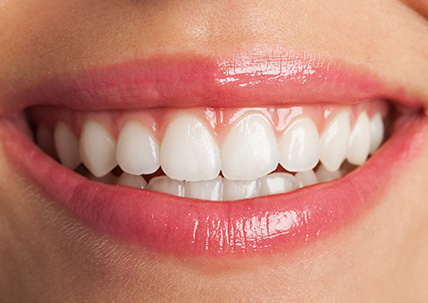
What is teeth whitening?
This Dental Aesthetics treatment is responsible for providing a whiter and more uniform tone to the enamel through chemical agents.
Its main objective is to remove external stains from teeth that have appeared from tobacco consumption or from ingesting foods and drinks that can stain teeth, such as carbonated drinks or coffee. In addition, this problem tends to worsen if an adequate oral hygiene routine is not performed.
Teeth whitening consists of using whitening agents, which are usually carbamide peroxide and hydrogen peroxide. These components are concentrated in the gel that is applied during treatment, allowing it to penetrate through the pores of the enamel and reach the dentin.
What are dental aesthetic veneers?
Dental aesthetic veneers (or venners) are another of the most requested Dental Aesthetics treatments. In this case, using certain components such as porcelain, thin sheets with a thickness between 0.8 and 1.5 millimeters are manufactured and placed on the surface of the outer face of the dentition, camouflaging the natural tooth.
In this way, a more aesthetic appearance is provided to the oral cavity and the front part of the teeth is restored to solve problems related to dental coloration, alterations in the shape or arrangement of teeth, and even to close the gap between them, a condition known as diastema.
Dental veneers adhere to teeth thanks to a special adhesive cement that allows long-lasting fixation.
In addition, porcelain or metal crowns or caps are usually used to completely cover the tooth. Regarding materials, nowadays the use of zirconium is also common, due to its great hardness, resistance and aesthetics.
Causes of tooth darkening
Following inadequate oral hygiene and consumption of certain products can cause alterations in dental staining. There are different types of dental stains that we can classify as intrinsic or endogenous stains and extrinsic or exogenous stains.
Within intrinsic or endogenous stains are those that affect teeth during their formation phase, before they erupt into the oral cavity, caused by the consumption of certain medications such as tetracyclines, by enamel hypoplasias, vitamin deficiency or fluorosis. Also classified in this group are those stains that appear after dental eruption, produced by blows, fractures or due to the passage of time due to aging of the dentition, which acquires a darker tone.
Extrinsic or exogenous stains are produced by contact of teeth with pigmentation agents, present in certain foods, drinks such as wine, tea and coffee, and other products, such as tobacco. These stains can also occur after prolonged use of certain oral mouthwashes and toothpastes based on Chlorhexidine.
We pride ourselves on our meticulous craftsmanship and attention to detail, our friendly family atmosphere, an uncompromising standard of cleanliness and an elite level of modern techniques and equipment that allow our patients a sophisticated level of comfort and confidence.
A new dental experience for the province of Pontevedra!.
Baiona Clinic
Rúa Ramón y Cajal 9 - 1 A,Baiona (Pontevedra)
O Rosal Clinic
Rúa Xulio Sesto baixo 15O Rosal (Pontevedra)
+34 986 35 72 58
+34 689 365 259
dentalbaigorria@gmail.com
© MMXXIV - Dental Baigorria Clinic - All rights reserved | Terms and Conditions of Use